Embracing Experimentation to Develop a Coaching Philosophy
Clarity Comes After Curiosity

One thing I’ve learned about myself as a coach is that I don’t think in straight lines. I think in connections. I’m constantly pulling ideas from places that have nothing to do with the weight room, conversations, hobbies, mistakes, experiences, and using them to make sense of what I’m trying to teach athletes.
That’s why I lean so heavily on analogies when I teach and coach.
If I can connect a lift, a program, a concept, a technique or a training philosophy to something familiar, it tends to stick. Athletes don’t remember percentages and spreadsheets nearly as well as they remember stories. And if I’m being honest, analogies also help me clarify what I actually believe.
That process of clarifying belief, of figuring out what truly works for you as a coach, doesn’t happen by accident. It happens through experimentation.
Why Analogies Matter in Coaching
Coaching is teaching. And teaching is communication.
The best coaches I’ve been around are great communicators and don’t just explain concepts. They translate them. They take something complex and connect it to something familiar. That’s where analogies matter.
When I use examples outside the weight room, it’s not about being clever. It’s about clarity. Analogies force you to simplify and ask what actually matters. If you can’t explain what you’re doing in plain language, you probably don’t understand it as well as you think you do.
That process is analogous to learning what you like by trying different beers.

You can read tasting notes, listen to recommendations, and follow trends, but none of that replaces actually sampling what’s in front of you. Over time, patterns show up. Some styles make sense. Others don’t. Eventually, you stop chasing novelty for the sake of it and start choosing what fits.
Coaching philosophy works the same way.
Using analogies gives athletes a reference point so they can understand what they’re experiencing. Experimenting with methods is the same process on a larger scale. You’re tasting different approaches, comparing them, and figuring out which ones you trust.
Both require exposure. Both require reflection. And both help you move from repeating someone else’s opinion to forming your own.
Coaching Philosophy Is a Lot Like Beer
The beer analogy didn’t come from me trying to be clever. It came from a conversation I had with another coach about development and how long it actually takes to figure out what you believe.
We were talking about experimenting, trying different systems, different ideas, different ways of coaching. At some point, beer came up, as it usually does, and the comparison just made sense.
Early on, you want to try everything. IPAs, lagers, stouts, sours, anything you haven’t had before. You chase variety because you’re still figuring out what you like. Some are interesting. Some are overrated. Some you’re glad you tried once and never again.
Then, after enough sampling, you realize something.
Miller Lite is hard to beat.

Not because it’s exciting or new, but because it’s reliable. I know what I’m getting. It works. And I didn’t arrive there by accident. I arrived there by trying everything else first.
The coach I was having this conversation with landed somewhere else. He’s an IPA guy. That’s what fits him. That’s what he trusts.
And that’s kind of the point.
We both went through the same process of experimenting. We just didn’t end up with the same preference. Coaching works the same way. Two coaches can explore the same ideas, study the same methods, and still land on different styles, systems, and philosophies that make sense for them.
Experimentation doesn’t exist to push everyone toward the same answer. It exists to help you find yours.
Why Experimentation Matters More Than Getting It Right
There’s a strong temptation to latch onto one system and never let go. One mentor. One philosophy. One right way.
Structure feels safe. Certainty feels professional.
But skipping the experimentation phase comes at a cost.
You don’t really know why something works until you’ve coached alternatives. Confidence doesn’t come from copying. It comes from testing ideas, watching them succeed or fail, and learning from both.
Experimentation forces you to:
Coach ideas instead of just following instructions
Adapt when context changes
Learn what aligns with your personality
Recognize what doesn’t work for you, even if it works for others
Trying new things doesn’t mean abandoning principles. It means pressure testing them.
Being Uncomfortable Is Part of the Process
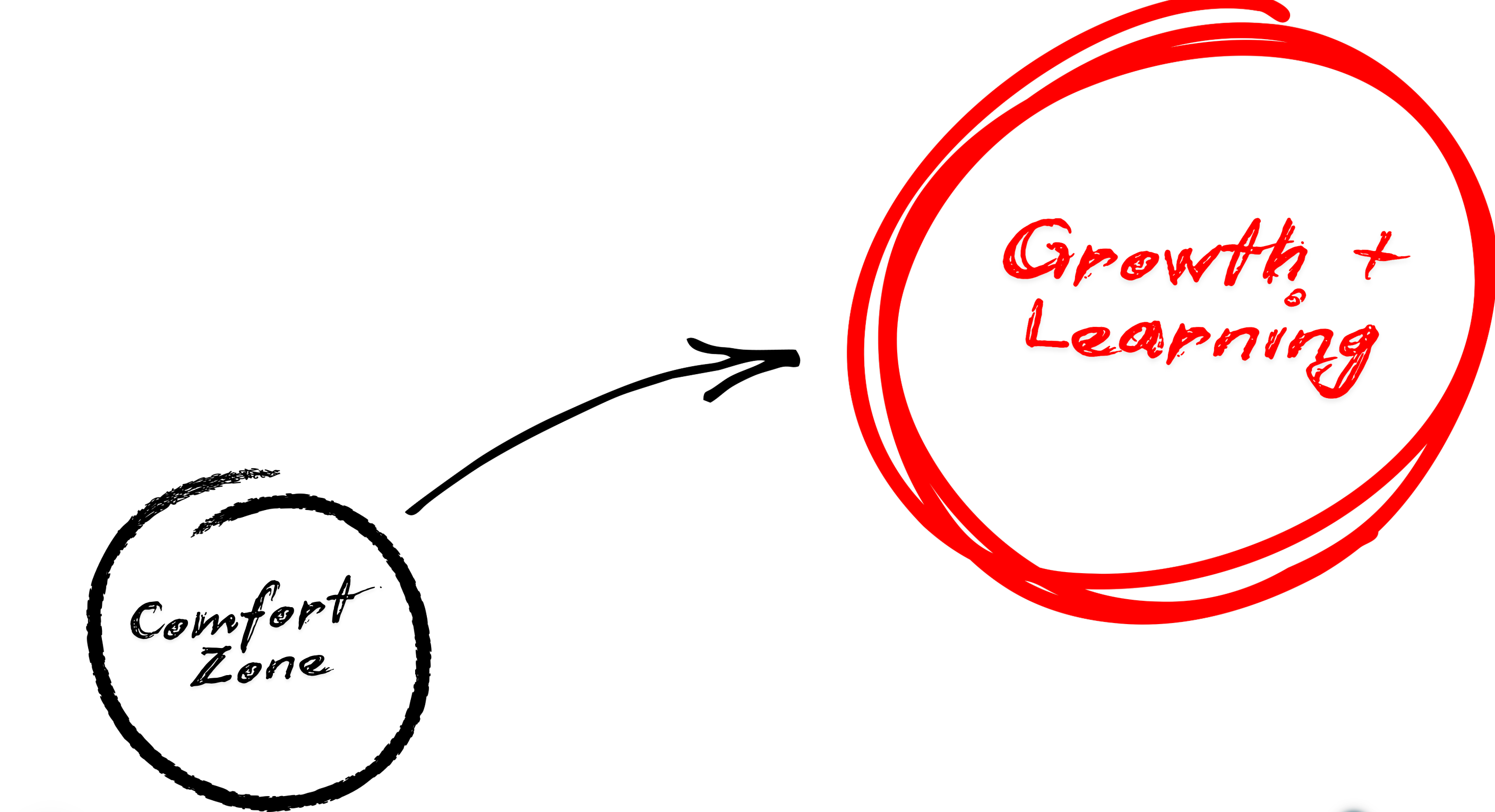
If this sounds familiar, it should.
In a previous piece, The Uncomfortable Truth: Why Questioning What You Know Is Necessary for Growth, I wrote about how real development usually starts when certainty ends.
Experimentation puts you directly in that uncomfortable space.
You try something new. You’re not fully confident in it yet. You have to think, adjust, and problem solve in real time.
That discomfort is a sign you’re actually learning. Growth rarely happens inside the comfort zone.
Returning to Simple Methods Is Not Regression
Sometimes in coaching going back to simpler methods is interpreted as a sign you’ve failed or stalled.
In reality, it usually means the opposite.
When you return to familiar approaches after experimenting, you’re not going back as the same coach. You’re bringing context with you. You’re choosing simplicity instead of defaulting to it.
That idea connects directly to The Barbell Ethos: From Cook to Chef.
Early on, you’re a cook. You follow recipes because you have to. Later, you become a chef. You understand ingredients and adjustments. You know when to keep things simple and when complexity actually serves a purpose.
Simplicity earned through experience is very different from simplicity chosen out of fear.
Advice for Younger Coaches
If you’re early in your coaching career, here’s the honest advice.
Experiment now.
Try different methods. Learn different systems. Coach ideas you’re not fully sold on yet. Reflect on what works, what doesn’t, and why.
You’re not supposed to have everything figured out yet.
Even if you end up right back where you started, you won’t be the same coach who left. You’ll have clarity instead of blind confidence.
“Experience is a hard teacher because she gives the test first, the lesson afterward.”
— Vernon Sanders Law
Final Thoughts
Most coaches don’t end up where they started, even if it looks that way from the outside.
They try things. They experiment. They chase ideas that seem promising. And somewhere along the way, they realize that a lot of what they need isn’t new. It’s just clearer.
That’s the same way you figure out what kind of beer you actually like.
You sample a bunch of styles. Some are interesting but exhausting. Some are fine once. And eventually, you reach for something familiar, not because you’re scared to try new things, but because you’ve already done the experimenting.
Coaching works the same way.
Analogies help athletes understand because they give them a familiar taste to work from. Experimentation helps coaches understand because it gives context. Both are about learning through experience.
So keep sampling. Pay attention to what sticks.
And if you find yourself reaching for something simple, that’s usually what clarity looks like.
You’re not just following a recipe anymore. You know why you’re choosing the ingredients.
I’m curious what “Miller Lite” looks like in your coaching right now. If you’ve gone through your own experimentation phase, I’d love to hear what you’ve landed on.
Until Next Time,